
Searching for Killer Whales
Oregon’s coast is a blind spot for endangered Southern Resident killer whales. Volunteers collected the evidence that can inform federal and state recovery planning.
Photo: Oregon Shores


Results
What volunteers documented



Photo: Sarah Martinez
Why it matters
An endangered population
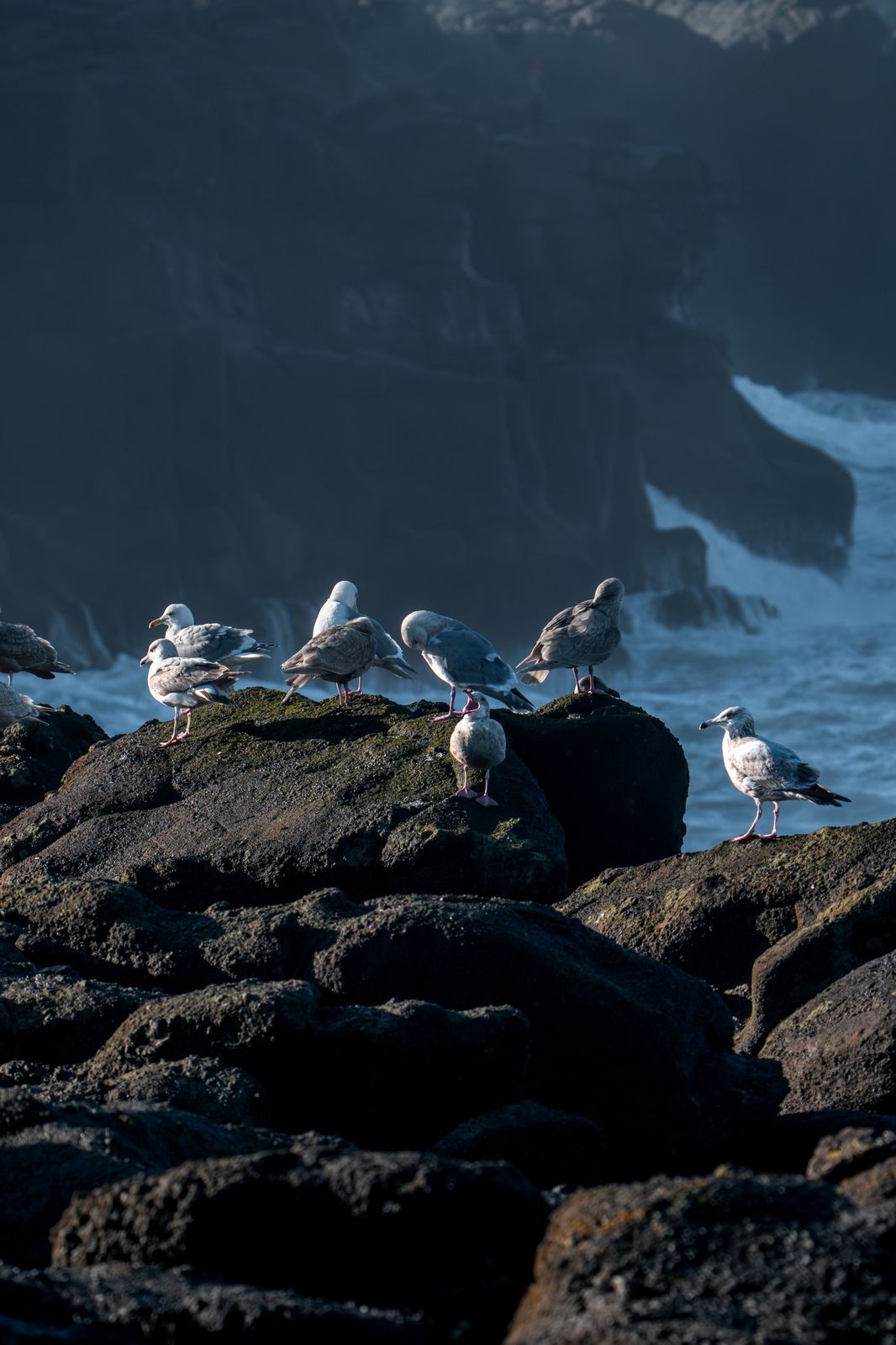
Photo: Adventure Scientists
Threats
What puts them at risk
Less prey
Declining Chinook salmon
Disturbance
Vessel noise, boat strikes
Contamination and habitat
Chemical pollutants, plastic contamination, habitat degradation
Oregon’s waters were missing from the picture. Volunteer observations can help change that.
With observations from Oregon, NOAA and ODFW can include the state’s coastal waters in recovery plans and critical habitat assessments.
How it worked
Volunteers watched the coast and logged what they saw
They recorded where they looked, whether whales were present or absent, and photos or video of sightings, along nearly the entire Oregon coast. Training and materials were in English and Spanish.
-
Oct 22, 2025Launch webinar
-
Nov 1, 2025In-person launch at Hatfield Marine Science Center in Newport
-
Nov 2, 2025Field day to test the protocols and app. Volunteers spotted a gray whale
-
Dec 1, 2025First killer whale sighting, at Manzanita Beach
-
Dec 2025Watch parties at Brookings and Bandon draw over 150 people
-
Jan 31, 2026Whale trivia night
-
Feb 2026Ask the Experts panel and watch party in Nehalem
-
Apr 25, 2026Killer whale sighting at Yaquina Head
-
Jun 10, 2026Final volunteer webinar
Over 300 people joined seven in-person events along the way.
Volunteer voices
In their words
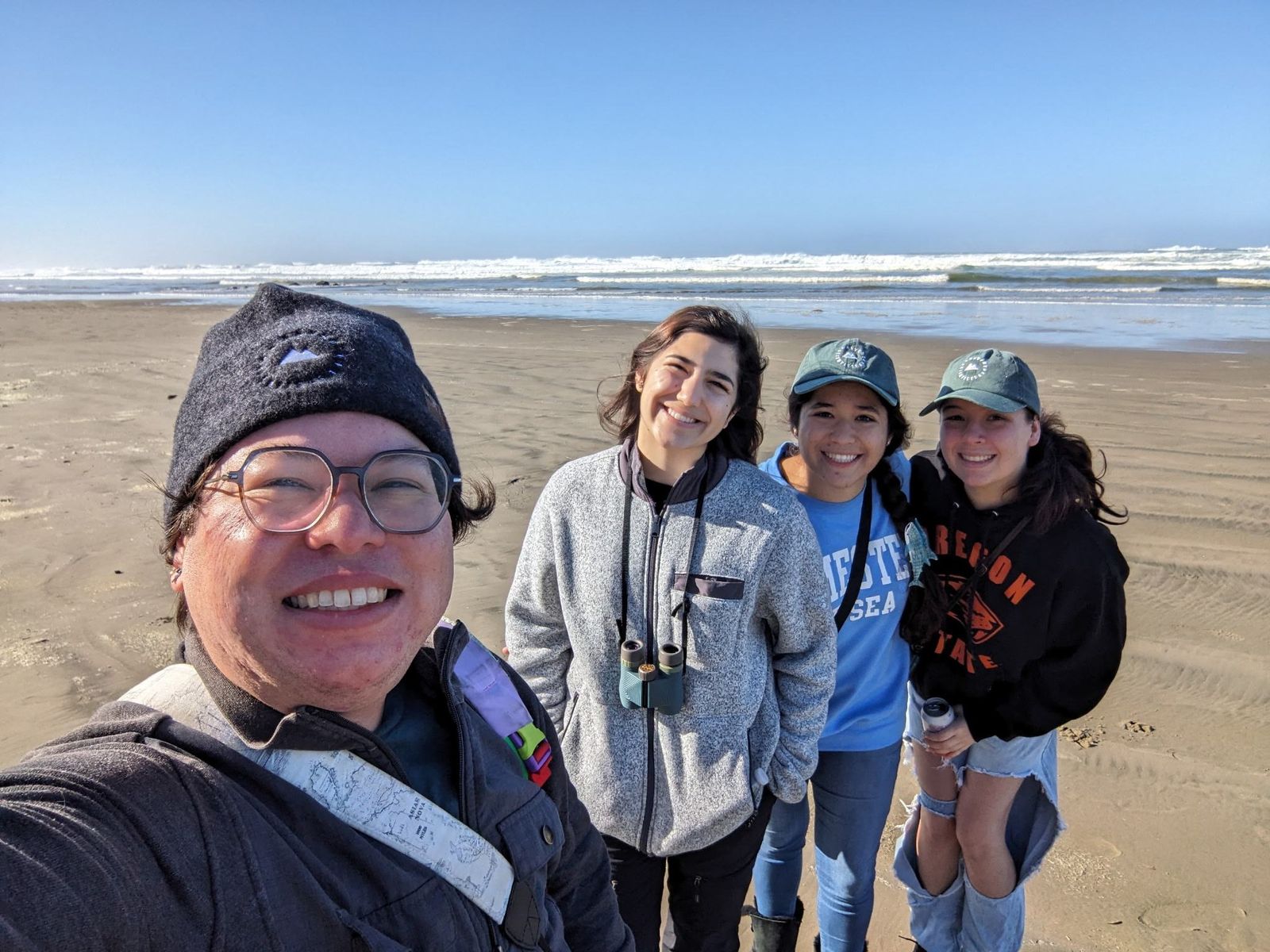 Photo: Elijah Foster and Halle Sheppard
“This project was really exciting for me because some of the volunteering I started doing was about the Southern Resident killer whales. They are very endangered. They’re such a specialized population, and they’re so special and meaningful to a lot of people. This citizen science data collection project has just been a lot of fun for me to talk to other people and help them realize that, yes, you can contribute to data. I think it’s really good for people to understand you can have a role in this, too.”
Elijah, Volunteer
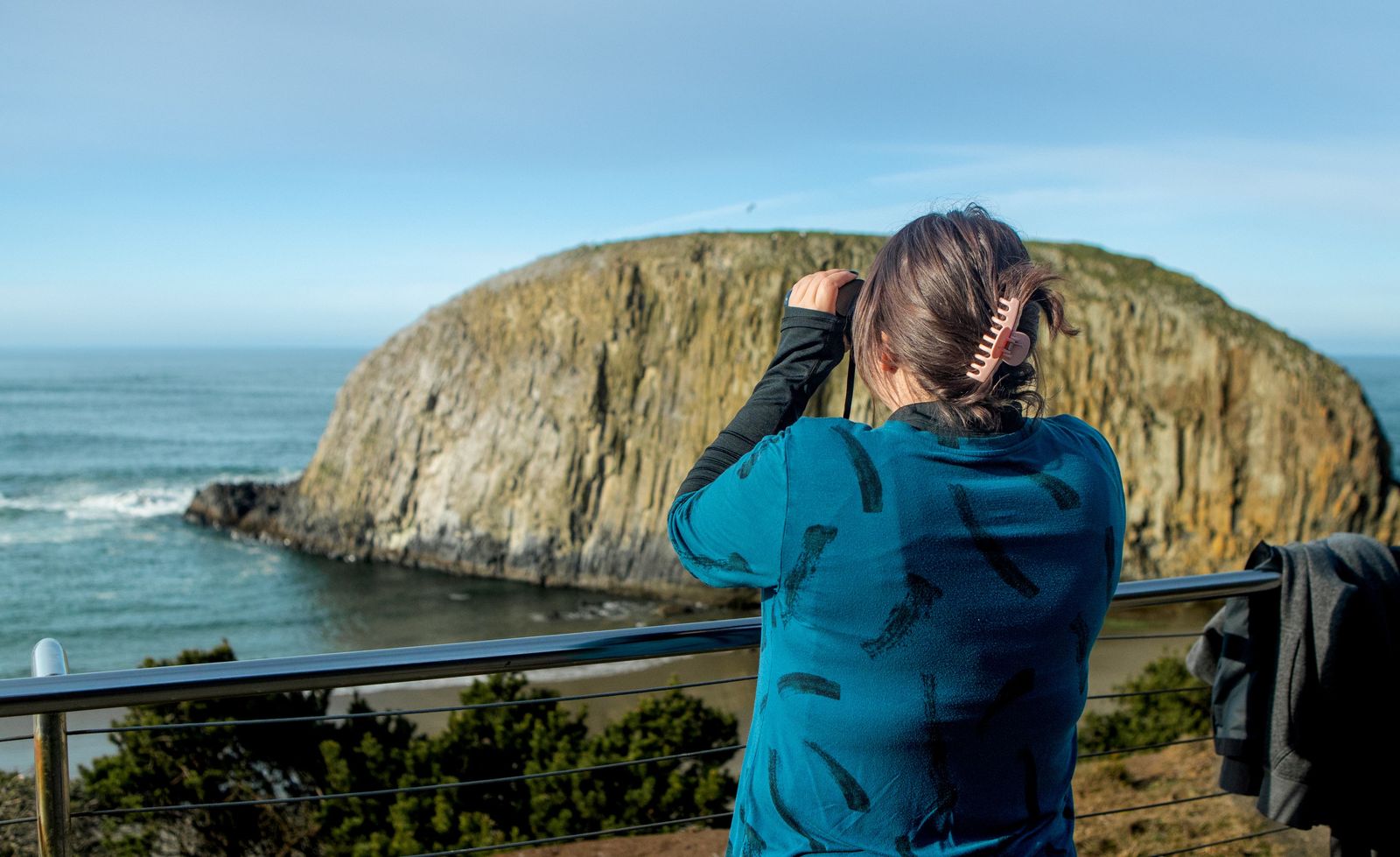 Photo: Adventure Scientists
“…I love watching the ocean from shore, and it always feels wonderful doing it. But this time, I had more purpose for it and I felt more fulfilled.”
Kara, Volunteer
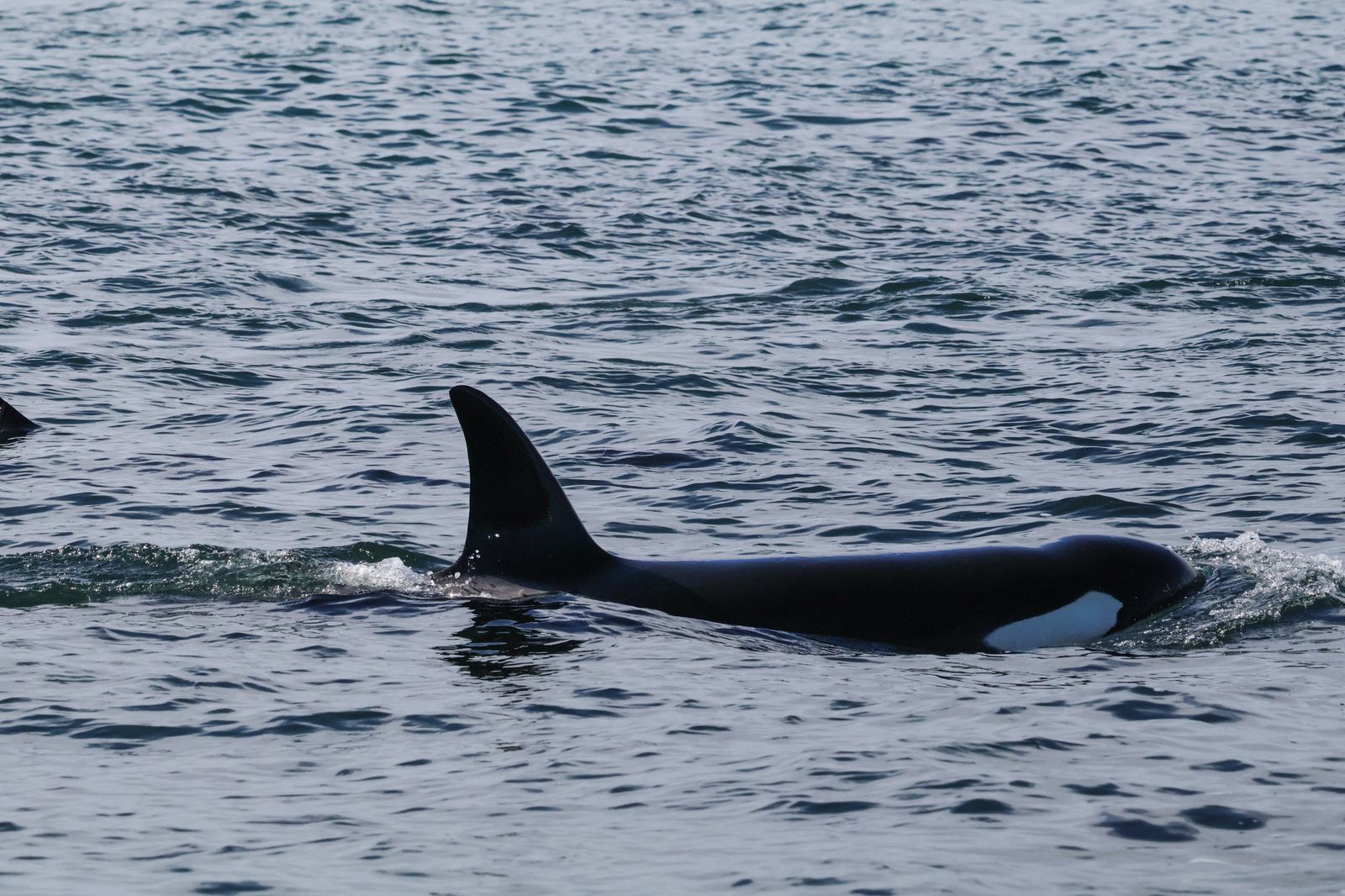 Photo: Charlie Pingree
“It’s inspirational to be part of citizen science conservation projects in a time when our ecosystem and its resources are at risk.”
Ana, Volunteer
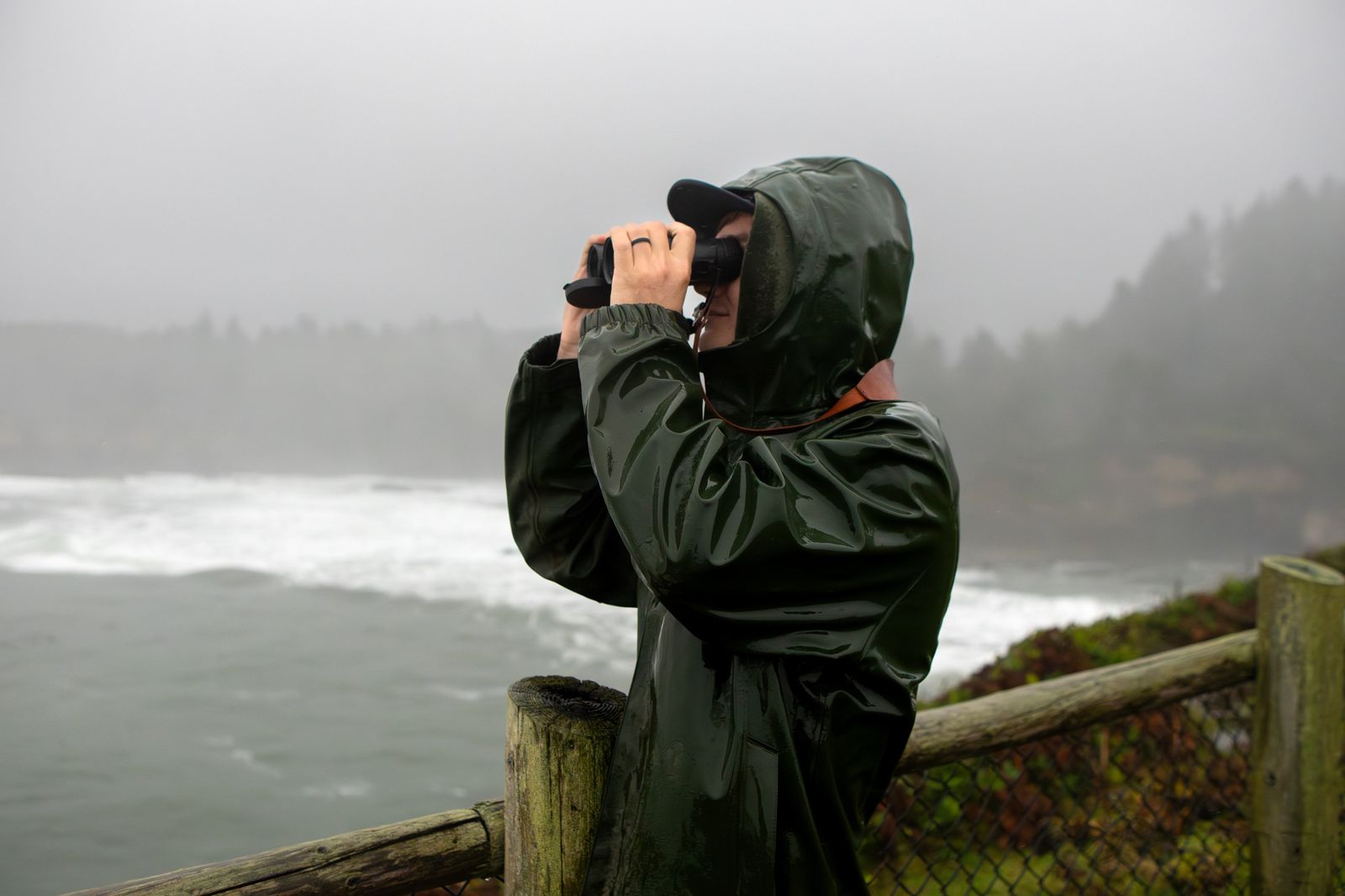 Photo: Adventure Scientists
“I had a passerby ask what I was looking for in the binoculars and I told him ‘orcas.’ We had a short chat about the types of whales on the Oregon coast. He was surprised, as I first was, that there are resident orca whales in Oregon. Hopefully the more people know the more they will also want to protect them.”
Maria, Volunteer
In the field
Volunteers on the Oregon coast
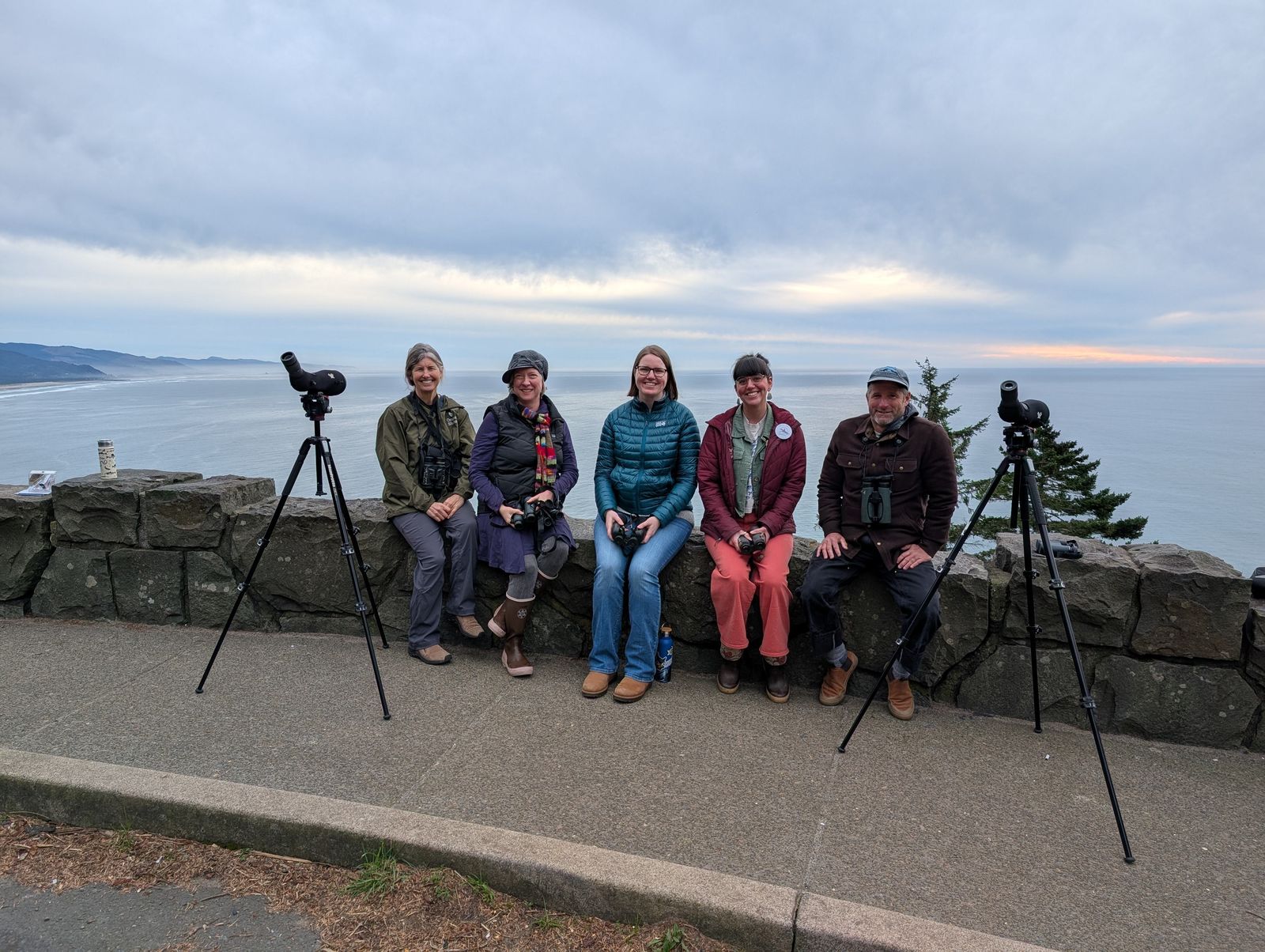 Photo: Denise Harrington
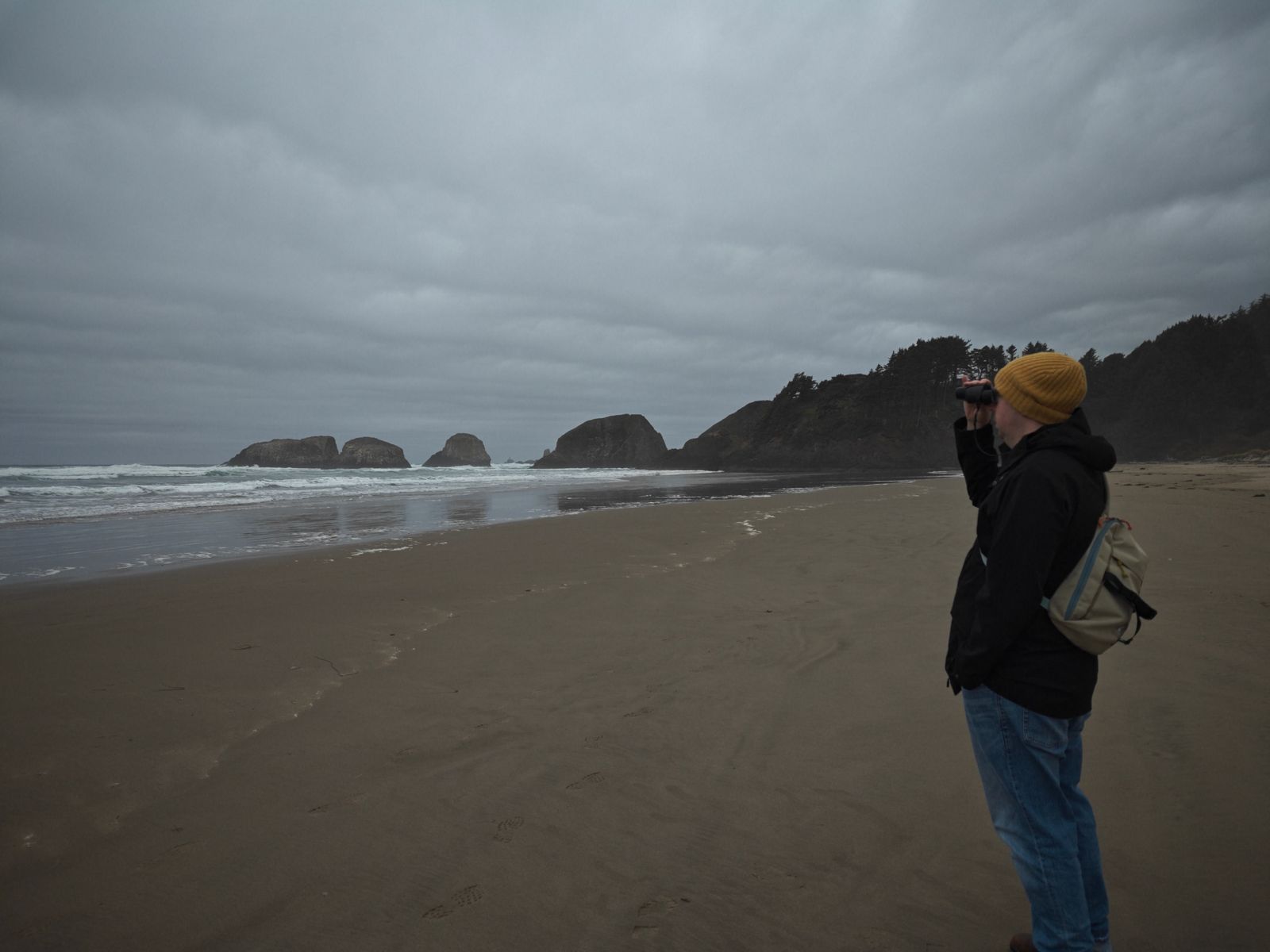 Photo: Thea Condaxis
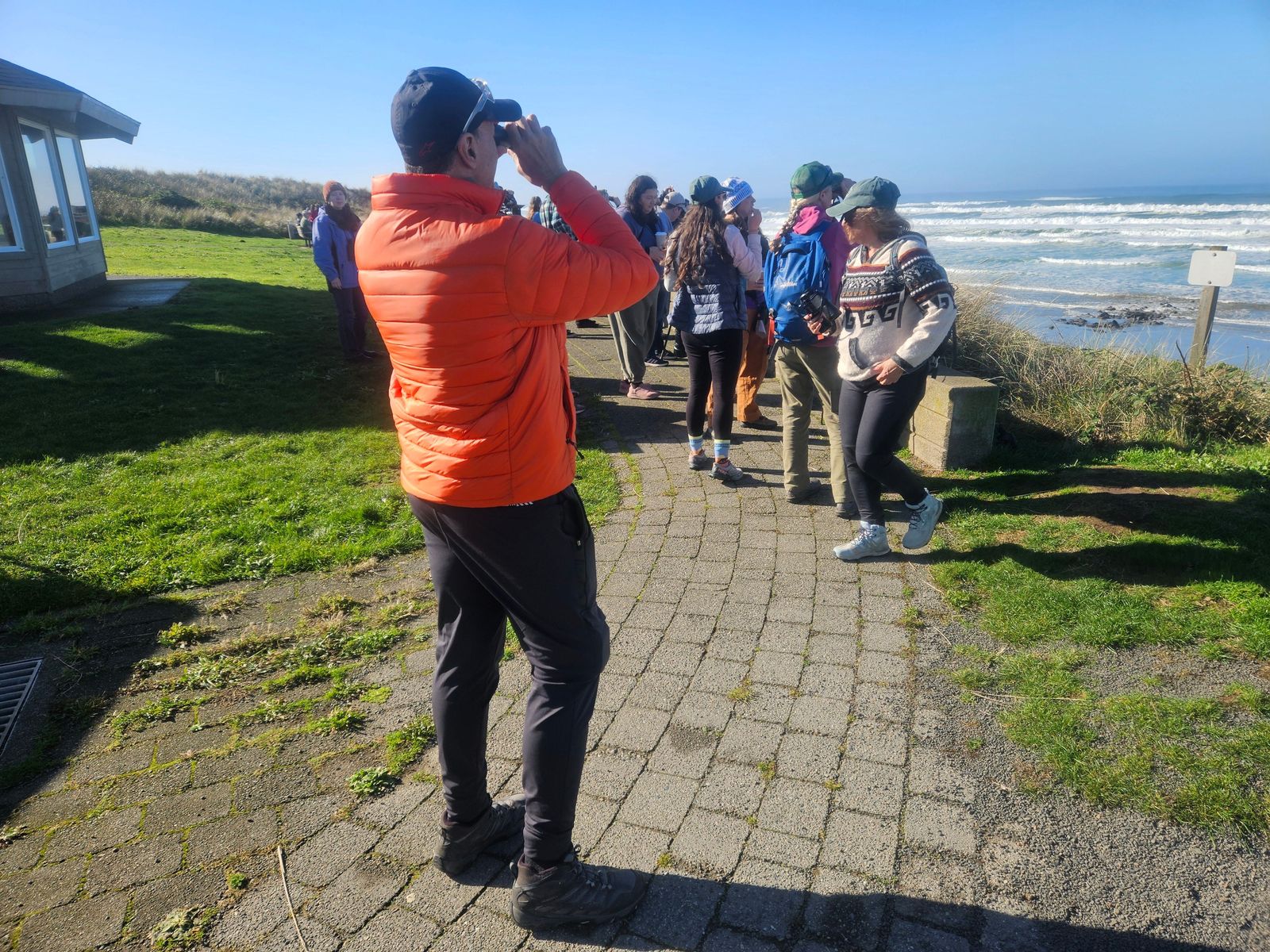 Photo: Oregon Shores
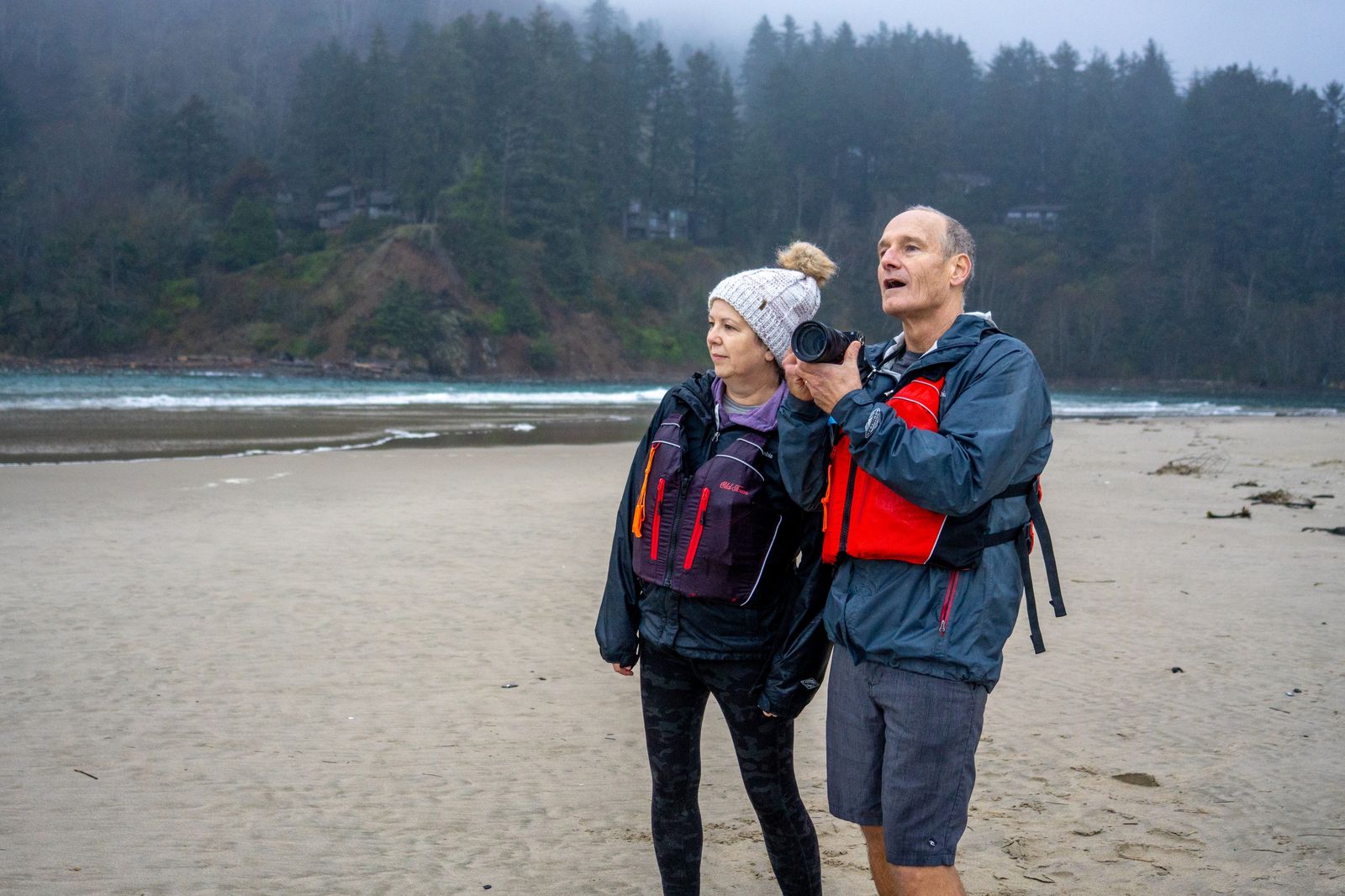 Photo: Adventure Scientists
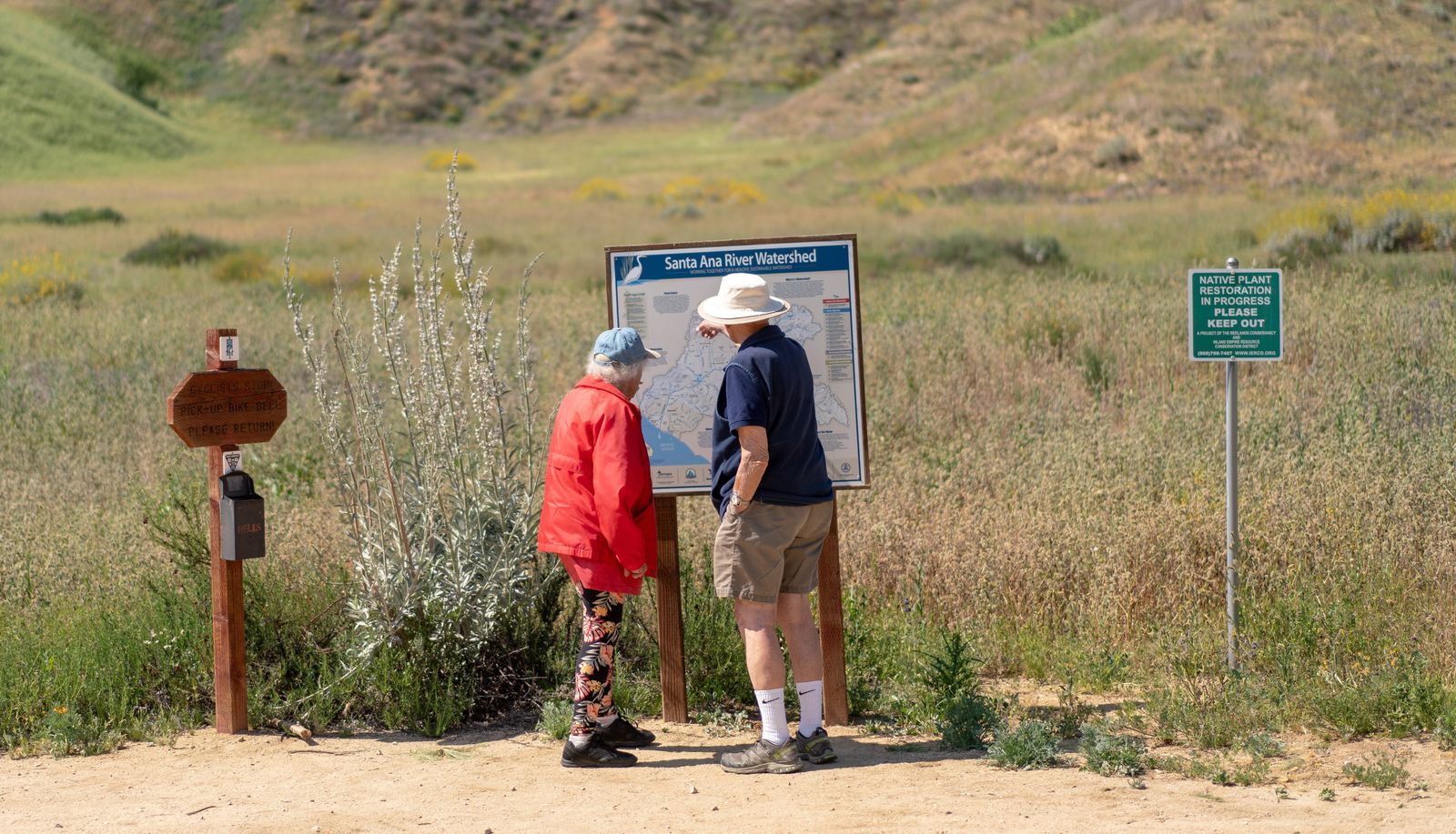 Photo: Adventure Scientists
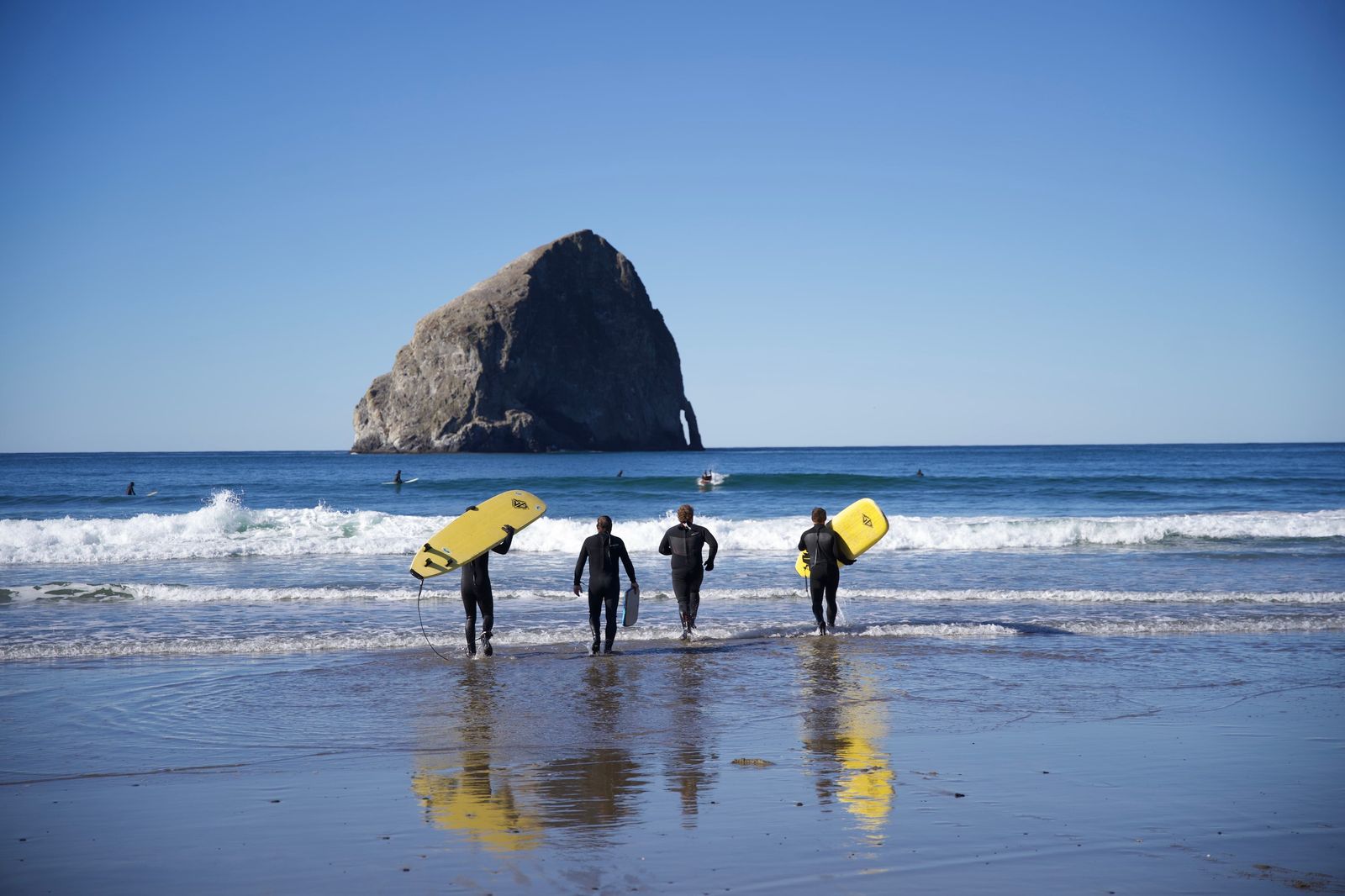 Photo: Adventure Scientists
What happens with the data
Evidence for recovery planning
The data can contribute to federal and state recovery planning and help make sure Oregon’s waters are included in assessments of critical habitat.
Press
In the news
-
KLCCDecember 31, 2025
-
Oregon Wild2026
-
Latino Outdoors2026
-
Mountaineers2026
Thank you
To everyone who made Searching for Killer Whales possible
Volunteers
The 93 volunteers who gave their time, energy, and passion to reach rugged coastal terrain and collect the observations that make this work possible.
Partners
Our co-lead Oregon Shores, and our scientific partners and data end users, the Oregon Department of Fish and Wildlife and NOAA, for their expertise, data stewardship, and collaboration.
Event partners: Oregon State Parks, North Coast Land Conservancy, Deep Green Wilderness
Supporters
Our donors and community of supporters. Eric Abel and Duncan Berry for their in-kind art donations. MiiR and Osprey, whose contributions kept volunteers inspired and equipped.
We acknowledge that the land where this project takes place is the ancestral and living homelands of many Indigenous Peoples, including the Confederated Tribes of Siletz, the Coos, and the Grande Ronde; Lower Umpqua; Siuslaw, Coquille Indian Tribe; Chinook Indian Nation; Clatsop-Nehalem, and many others whose traditional territories remain regions of deep significance and care.
What’s next
Searching for Spouts
Oregon Shores is continuing this work under a new name, Searching for Spouts. Volunteers will look for all species of whales, orcas, and porpoises along the Oregon coast. To take part, sign up with Oregon Shores, even if you volunteered with us before.
Questions? Email spouts@oregonshores.org.