
Volunteer applications are closed for the 2026 season.
Thank you to all volunteered this season!
For new environmental volunteer opportunities and news and to hear when data has processed, sign up for our newsletter.
Help Save American Beech With Your Outdoor Adventures
American beech trees are common, but healthy beech trees are becoming increasingly rare.
American beech trees shape the forests we hike, run, and explore, but fast-spreading beech bark disease and and beech leaf disease are threatening their future. Adventure Scientists has partnered with researchers at the University of Connecticut to find healthy beech trees that are resistant to these diseases, but they need outdoor adventurers like you to help. By pairing your time outdoors with real conservation action, you can help guide future restoration efforts that allow beech trees to thrive in our forests.
Why American Beech Trees Matter
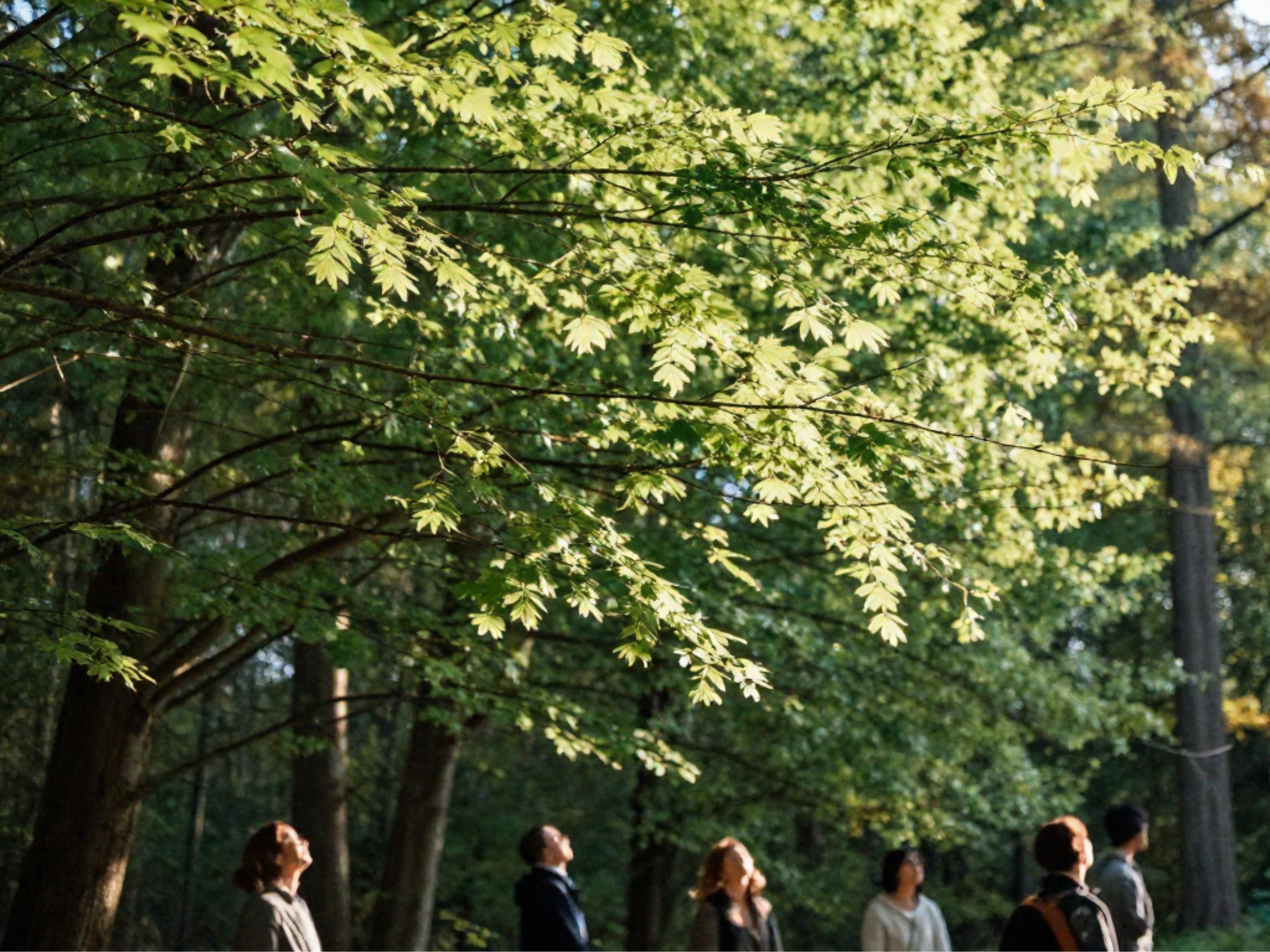
American beech – known as the Queen of the Forest – is a common and recognizable tree that supports diverse wildlife and stabilizes forest ecosystems.
Though beech is abundant, healthy beech trees are becoming increasingly rare. Fast-spreading beech bark disease and beech leaf disease, as well as a changing climate, place intense stress on a tree that forests depend on.
What Will You Do
Trained volunteers will:
Be the first to explore a national forest, large state forest, or land trust in search of healthy beech trees
Receive training and resources to accurately conduct health assessments
Collect leaf samples from healthy American Beech trees
Help guide forest restoration efforts for generations to come
Where Can You Volunteer to Save American Beech?
Volunteers are needed in National Forests and State Forests over 1,000 acres in size in Alabama, Arkansas, the Florida panhandle, Indiana, Georgia, Kentucky, Louisiana, Michigan, Mississippi, Pennsylvania, South Carolina, Tennessee, eastern Texas, eastern Wisconsin, and West Virginia.
Beech trees are easily accessible on many local trails near you! Once trained, you will be able to choose the location and trails you are comfortable exploring. You’ll also be able to follow your sample’s journey from the forest through its DNA analysis, connecting your time outside directly to scientific discovery.
Because beech genetics vary across regions, samples must be widely spread across many forests. Only a few samples are needed for each area, and each tree must be found in the summer while leaves are green.
Frequently Asked Questions about Protecting American Beech Trees for Forest Conservation
What is the American beech tree, and why is it important?
American beech trees are one of the most abundant native tree species in eastern US forests. They support wildlife and anchor forest ecosystems, defining the look and feel of many trails and forests across the region. But today, whole stands are declining due to beech bark disease and beech leaf disease, making conservation efforts urgent.
Where can I volunteer to find and protect American beech trees?
Volunteers are needed in large State and National Forests across the eastern United States, including (but not limited to!) the Allegheny National Forest (PA), Monongahela National Forest (WV), Cherokee National Forest (TN), Daniel Boone National Forest (KY), Hoosier National Forest (IN), Huron-Manistee National Forest (MI), Chequamegon-Nicolet National Forest (WI), Ozark and Ouachita National Forests (AR), and Bankhead National Forest (AL). A small number of additional opportunities may be available in Florida, Georgia, Texas, South Carolina and Louisiana. Participation is intentionally limited by location to ensure high-quality, well-distributed data.
Can I volunteer while hiking, backpacking, or mountain biking?
Yes! This project is a great way to make an impact for conservation while adventuring. This includes collecting data while you’re hiking, backpacking, mountain biking, and trail running in National and State Forests and want your trip to contribute to conservation. Many volunteers participate during trips they’re already planning, including long day hikes, weekend backpacking trips, and section hikes through forest lands.
Does this project overlap with the Appalachian Trail or other major trails?
Some priority forests in this project (including Monongahela National Forest (WV) and Cherokee National Forest (TN)) are near or intersect major long-distance hiking corridors, such as the Appalachian Trail. We especially encourage those who are embarking on long-distance hikes to join us and turn their incredible adventure into impactful conservation.
Can I bring a friend to find healthy American Beech trees?
Fellow explorers are welcome! We encourage you to have your friend(s) sign up so they can join you. Share this webpage with your friends to apply today!
What skills are required for outdoor volunteers?
If you can access large national and state forests in applicable states, you are qualified! Beech are abundant and easy to access on trails. A level of physical fitness and safety awareness are always important when adventuring outdoors, though if you are activated, you will be able to choose the trails you are most comfortable with.
How much time does volunteering require?
Time commitment is flexible and depends on your availability and location. Volunteers can plan a trip around the project or participate during trips they’re already planning, whether that’s a day hike or a longer outdoor adventure.
What training do volunteers receive?
Training is online and easy to access for all volunteers. It covers project goals, health assessment and sample collection techniques, trip planning, and data collection procedures. It is free to participate, and all research equipment will be provided as well as exclusive access to office hours with Adventure Scientists staff.
Why are volunteer opportunities limited?
Researchers need samples spread across a wide geographic range. Access to equipment and field opportunities are limited, which means volunteer opportunities may be as well. We intentionally activate highly engaged sign-ups who want to contribute meaningful scientific data. This helps ensure that every volunteer’s efforts can directly support conservation outcomes. To increase your chances of getting picked, don’t wait – sign-up now! For additional opportunities to help restore forests, check out our Restoring Butternut Trees project.
I haven’t been activated, but still want to make an impact. What can I do?
We want you too! Though spots may be limited for our American beech health research, we have additional tree health projects in the eastern US. Check out our Restoring Butternut Forest Health opportunities here! You can also donate to support this project and spread the word through your contacts and outlets to help support forest conservation.
Do I need a science or forestry background to participate?
No, this project is designed for outdoor enthusiasts and environmentalists of all kinds – no prior experience needed. All volunteers will receive a free, short online training that will teach you how to identify beech trees and collect high-quality data, and the Adventure Scientists team will be available for ongoing questions and support as needed.